
Architectural and Practical Guide to Deploying a Digital Fingerprint Smart Lock Door
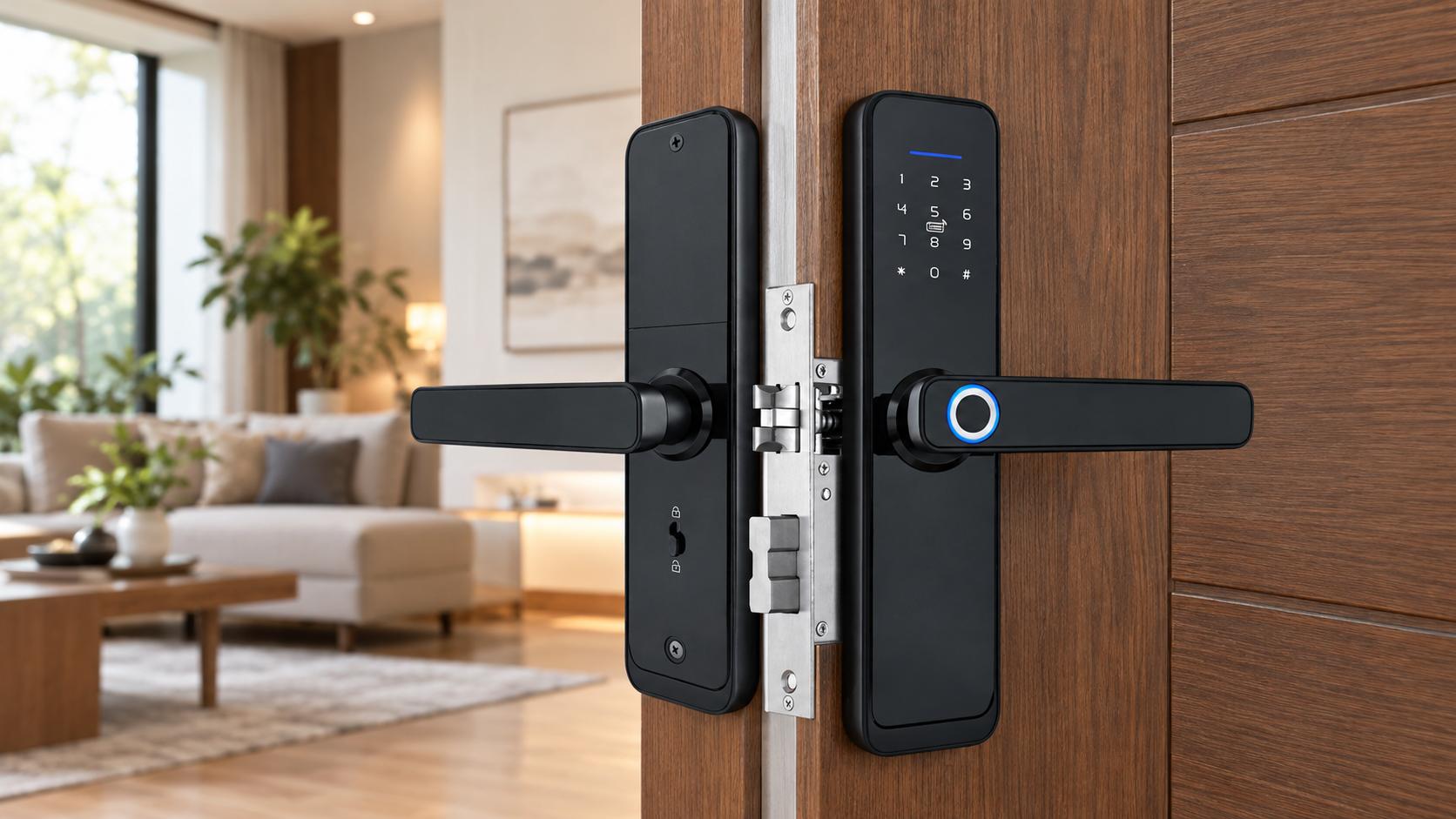
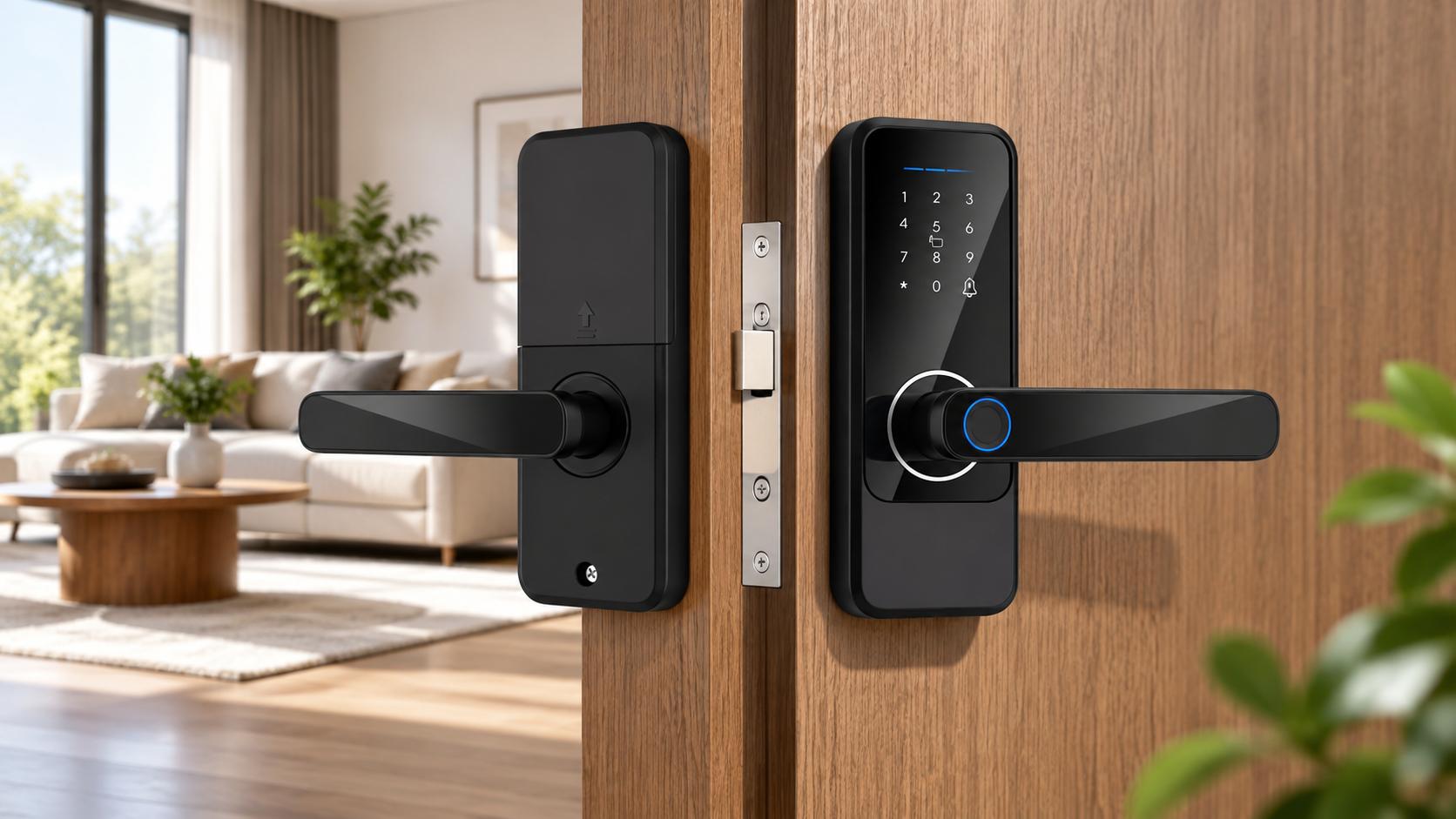
Modern residential architecture and commercial property management face a quiet crisis at the threshold. Traditional brass keys wear down, get duplicated without authorization, and frequently vanish, leaving property owners without a reliable way to track who holds access. Installing a digital fingerprint smart lock door addresses this by adding fingerprint, PIN, card, app, and physical key access options alongside the existing mechanical hardware. Whether securing an urban apartment, a boutique hospitality suite, or a private office, understanding how these access methods and mechanical components work together helps users choose the right hardware for their situation.
The Anatomy of Modern Keyless Entry: Addressing Mechanical Vulnerabilities
The Inherent Risks of Traditional Cylinder Pinning and Lost Physical Credentials
Standard pin-tumbler cylinders rely on split pins resting along a shear line. Some cylinder designs are more susceptible than others to bump keys or basic lock-picking rakes, and the actual risk depends heavily on the specific cylinder's construction and grade. Furthermore, master key distribution in multi-tenant environments introduces severe administrative liabilities whenever a contractor or tenant departs without returning credentials.
Physical keys typically are not logged by the lock itself. Because of that, relying on the lock alone often cannot distinguish between an authorized key holder and someone using an unauthorized duplicate, even though other evidence outside the lock may still help investigators reconstruct what happened. Some connected locks can associate access events with specific credentials when event logging is supported, which gives property owners a way to narrow down who used a fingerprint, card, or passcode at a given time; the supplied S810 product information does not confirm this specific event-logging feature for this model, so it should be verified with the manufacturer rather than assumed.
Transitioning to Biometrics: Semiconductor Sensing vs. Optical Surface Scanning
Fingerprint recognition systems of any kind, whether optical or semiconductor-based, can potentially be vulnerable to presentation attacks using fake or molded fingerprints. Whether a given sensor actually resists this type of attack depends on factors such as the sensor's underlying technology and whether it includes dedicated spoof or liveness detection, not simply on the sensor category it belongs to.
The S810 uses a semiconductor fingerprint sensor instead of an optical one, according to the manufacturer's product description. The supplied product information does not specify the sensing method in technical detail, nor does it include independent testing on spoof resistance. Readers should treat the semiconductor sensor as a different underlying technology from basic optical scanners, without assuming it has been proven resistant to presentation attacks such as fake prints or molds, since that capability has not been established by the available product documentation.
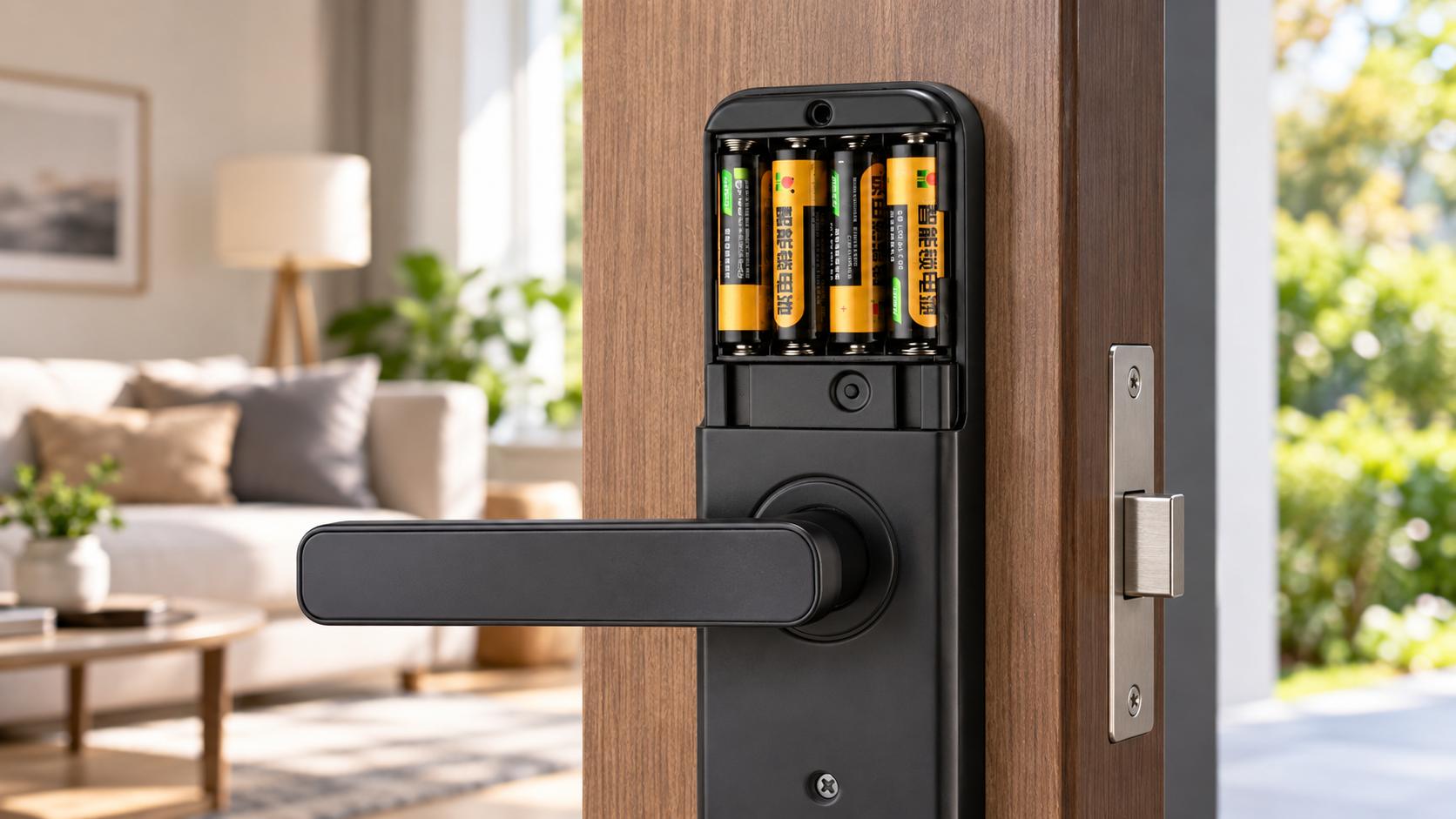
Core Biometric and Mechanical Engineering Standards
Semiconductor Biometric Processing: Manufacturer-Listed Recognition Figures
Biometric hardware is often evaluated by how reliably it identifies the correct user while limiting false matches. The manufacturer's specification sheet for the S810 lists two relevant figures, which are presented here as supplied rather than as independently verified industry metrics.
-
Recognition rate: the specification sheet lists a recognition rate of ≤0.01%. The product information does not define the test method behind this figure or confirm it corresponds to a standard False Acceptance Rate, so it should be read as a manufacturer-stated figure rather than a verified industry benchmark.
-
Recognition speed: the listed recognition speed is ≤0.5 seconds, meaning the mechanism is designed, according to the manufacturer, to unlatch shortly after a valid fingerprint is read.
-
Learning algorithms: per the supplied product description, the sensor includes AI learning algorithms intended to improve recognition speed and accuracy over time. The specifics of how this adaptation works are not detailed in the available documentation.
-
Profile capacity: the local hardware stores up to 100 distinct biometric profiles, which can support larger families, shared workspace personnel, or boutique hotel staffing teams.
Grade C Mechanical Lock Cylinder: A Manufacturer-Listed Specification
An electronic lock's overall security also depends on its mechanical cylinder. The S810 is listed by the manufacturer as using a Grade C lock cylinder. The supplied product information does not identify which grading standard this refers to, nor does it include independent picking or drilling resistance data.
Because different grading systems, such as various national and regional lock standards, are not necessarily interchangeable, this article treats Grade C as a manufacturer-stated specification rather than a claim about comparative resistance to picking, drilling, or other specific attack methods. Buyers who need verified mechanical security ratings should request the applicable test standard and results directly from the manufacturer.
Structural Metallurgy and Operating Temperature Range
External hardware faces environmental exposure, ranging from sub-zero winter drafts to blistering solar radiation and driving rain. The S810's housing is built from aluminum alloy, and the manufacturer lists an operating temperature range of -20°C to 70°C.
These two specifications describe the material and the temperature range the manufacturer states the unit can operate within. The supplied product information does not include a moisture or impact resistance rating, so no claims about water sealing or impact protection are made here beyond the listed material and temperature figures. With an overall unit weight of 2 kilograms, the housing is relatively dense compared to lightweight plastic alternatives, though this weight alone does not establish a specific protection rating.
Multi-Modal Access Architecture: Built-in Redundancy for Commercial and Domestic Security
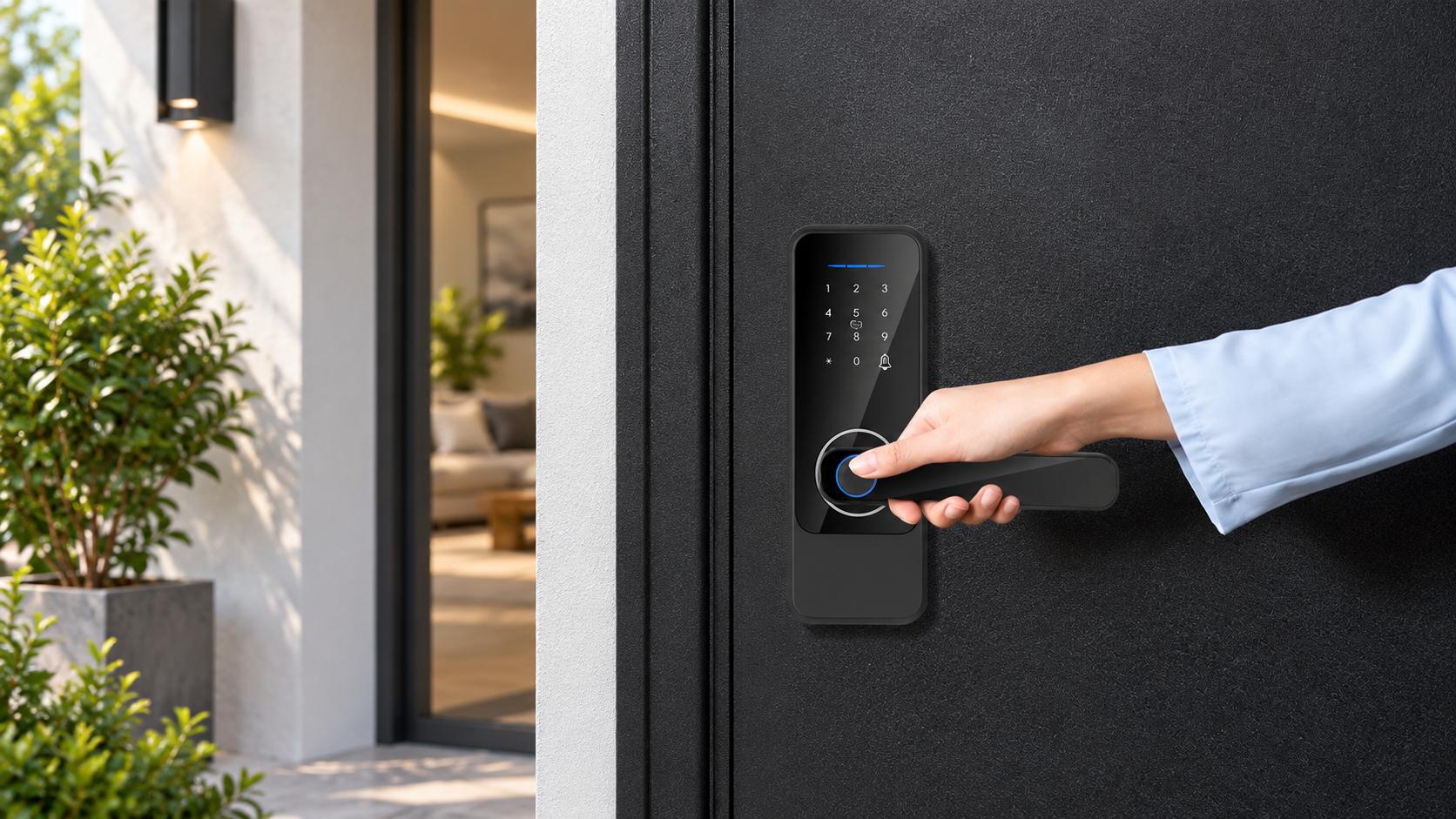
Password Entry for Visitors Without Registered Fingerprints
Password entry remains useful for visitors who lack registered fingerprints, such as maintenance technicians or temporary cleaners. The S810 supports password entry as one of its listed unlocking methods, alongside fingerprint, card, physical key, and app control.
Fixed numerical sequences can expose occupants to shoulder-surfing and other forms of visual observation over repeated use. The supplied product information for the S810 does not confirm a virtual or anti-peep passcode feature, so this article does not attribute that specific behavior to this model. Property owners who need that capability should confirm it directly with the manufacturer before relying on it.
Access Cards for High-Turnover Scenarios
Managing access for small children, elderly residents, or transient hospitality guests benefits from a low-friction physical token. Traditional keys risk re-keying costs upon loss, whereas an access card offers a quicker option for day-to-day entry.
The product description refers to magnetic card access, while one supplied image description references RFID. Because the available information does not confirm whether these terms describe the same card technology on this model, this article uses the neutral term access card. Whether a lost card can be remotely deactivated through the connected app is also not confirmed in the supplied product information, so that capability should be verified with the manufacturer before being treated as a guaranteed feature.
Power Depletion Provisions: Type-C Port and Physical Key Backup
A frequent concern among prospective buyers is what happens if the batteries run out. The system runs on four standard AA alkaline batteries, according to the manufacturer's listed specifications.
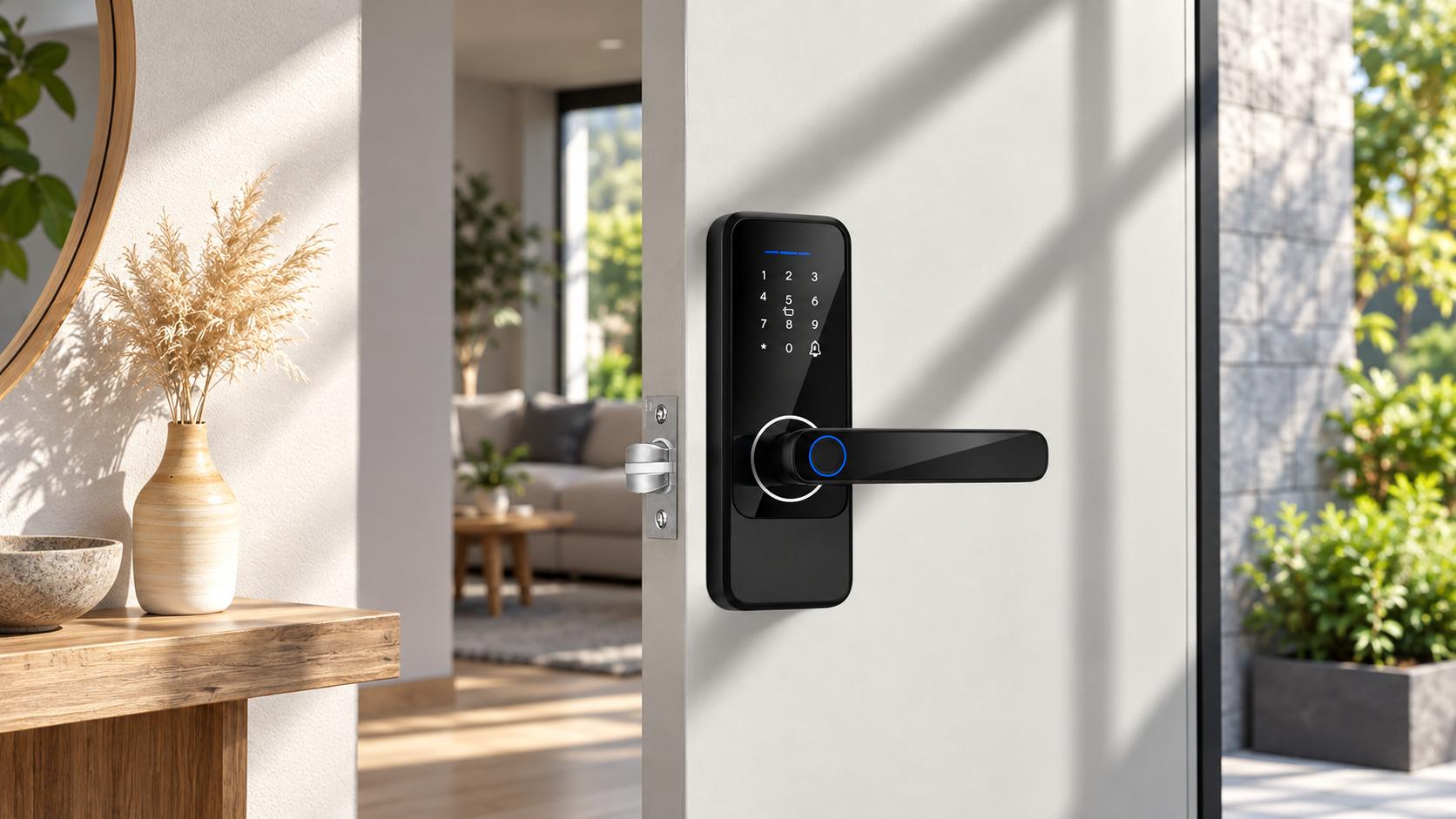
The product is listed with an external Type-C port and a physical key as emergency-access provisions. The supplied information does not specify how the Type-C port interacts with the lock's internal components, so this article does not claim that it directly powers the biometric sensor or motor. Likewise, the physical key is listed as a backup access method, without a manufacturer confirmation that it functions under every possible circumstance. Whether stored fingerprint and passcode data survives a full battery drain is not addressed in the supplied specifications, so that point is treated as unconfirmed rather than assumed.
Connected Ecosystems: Tuya and TTLock App Compatibility
App-Based Access Management
Managing remote real estate, short-term vacation rentals, or commercial meeting rooms often benefits from off-site credential distribution. The S810 is listed as compatible with the Tuya and TTLock apps for remote control, cloud data storage, and access management, according to the manufacturer's product description.
The supplied information confirms app compatibility but does not detail which specific credential types, such as one-time codes, scheduled guest codes, or recurring PINs, are available on this model, or whether remote unlocking requires an additional gateway device. Remote unlocking generally requires a compatible network configuration, such as a gateway-connected lock or a Wi-Fi-enabled lock, and buyers should confirm which configuration applies to the specific S810 version being purchased before relying on remote-access use cases.
Access Event Visibility Through the Connected App
Digital access control can offer more visibility than physical keys when paired with a connected app. The product description states the lock is integrated with Tuya and TTlock apps for real-time access management, though the supplied information does not detail the exact notification content or how specific credential history is displayed for this model.
Property managers interested in event logging or entry notifications should confirm the available features directly through the Tuya or TTLock app documentation for this lock, rather than assuming a specific set of alerts or audit details.
Specification, Door Preparation, and Selection Framework
Door Material and Thickness Compatibility Analysis
Before deploying biometric hardware, engineers and property owners must verify structural door tolerances. The mechanical deadbolt and latch mortise demand stable mounting substrates to maintain smooth alignment over years of daily duty cycles.
The lock accommodates door thicknesses ranging from 40mm to 120mm, which the manufacturer states covers wooden, steel, stainless steel, aluminum, and brass doors. Installers must measure the backset dimension and check for internal structural cross-beams to ensure the mortise pocket accepts the lock body without compromising the door skin.
General Retrofitting Guidance: Mortise Measurement, Hole Scribing, and Assembly
Converting an existing wooden or metal entryway to biometric entry generally follows a standard installation sequence common to mortise-style smart locks. The following steps describe typical installation practice; the exact sequence and components for the S810 should be confirmed against its official installation manual rather than assumed from general industry practice.
-
Dismantle existing hardware: remove the legacy handle plates, surface escutcheons, and internal mortise case, inspecting the door cavity for structural damage or moisture rot.
-
Template scribing: use the installation guide provided with the lock to mark center points for the handle spindle pass-through, deadbolt slots, and upper fastening posts.
-
Mortise pocket machining: chisel or route the internal cavity to accommodate the lock mortise, confirming that the faceplate sits flush with the door frame edge.
-
Spindle and wire routing: insert the drive spindle through the hub, feeding the wiring harness through the upper through-bore hole per the manual's instructions.
-
Plate fastening: fasten the front and rear panels using the included mounting bolts, following the manufacturer's guidance on sealing and weatherproofing where applicable.
-
Manual mechanical verification: rotate the interior handle to ensure the deadbolt extends fully into the frame strike plate without scraping or binding.
-
Biometric registration: install four fresh AA alkaline cells, enter the system setup mode, and register the administrator fingerprint following the lock's setup instructions.
Manufacturer-Listed Specifications: S810 Reference Table
Selecting commercial hardware requires reviewing specific engineering metrics. For us at SUMMAO, that process is backed by 15 years of access control manufacturing experience and a daily output of over 500 units passing through 36 inspection stages, figures that describe the company's manufacturing operation rather than a verified reliability claim about this specific model. The table below lists the S810's specifications as supplied by the manufacturer, without comparison to unverified generic figures.
| Engineering Specification | SUMMAO S810 Smart Door Lock (Manufacturer-Listed) |
|---|---|
| Housing Material | Aluminum Alloy, 2.0 kg |
| Biometric Sensor Type | Semiconductor Fingerprint Sensor |
| Fingerprint Capacity | 100 Stored Profiles |
| Recognition Speed | ≤0.5 Seconds |
| Recognition Rate | ≤0.01% (as listed by manufacturer) |
| Mechanical Cylinder Grade | Grade C |
| Supported Door Thickness | 40mm to 120mm |
| Operating Temperature | -20°C to 70°C |
| Emergency Interface | Type-C USB Port |
| App Ecosystem | Tuya Smart / TTLock Compatible |
Frequently Asked Questions (FAQs)
Does the semiconductor fingerprint sensor prevent fake fingerprints from unlocking the door?
The S810 uses a semiconductor fingerprint sensor rather than a basic optical scanner, according to the manufacturer's product description. The supplied product information does not include test data on resistance to molded or photocopied fingerprints, so this specific capability is not established here. Buyers concerned about presentation-attack resistance should ask the manufacturer for documentation on this point rather than assuming it based on sensor type alone.
Will stored fingerprint profiles and passcodes be lost if the AA batteries completely drain?
The supplied product information does not specify what happens to stored credentials after a complete battery drain. This article does not assume that data is automatically preserved or lost in that scenario. Users concerned about this should confirm the behavior with the manufacturer or consult the official product manual before relying on the lock in a situation where batteries might fully deplete.
What specific mortise and door thickness measurements are required before ordering the lock?
Installers should measure the total door thickness to confirm it falls within the supported 40mm to 120mm range. It also helps to measure the backset distance from the door edge to the handle spindle center, along with the length, width, and corner profile of the existing mortise faceplate, to ensure clean alignment with the door frame.
Does the keypad have a feature to prevent onlookers from learning the real passcode?
The supplied product information for the S810 confirms password entry as one of its access methods but does not confirm a dedicated anti-peep or virtual passcode feature for this model. This article does not attribute that function to the S810. Buyers who specifically need this capability should verify its availability with the manufacturer before purchase.
Can this smart door lock system operate without a 24/7 internet connection?
Remote unlocking requires a compatible network configuration, such as a gateway-connected lock or a Wi-Fi-enabled lock, and buyers should confirm which configuration applies to the S810 version being purchased. Whether the S810's fingerprint, password, and card access continue to function locally without an active internet connection is not explicitly confirmed in the supplied product information, so this point should be verified against the manufacturer's documentation rather than assumed. Buyers planning to rely on offline access should confirm this behavior with the manufacturer before purchase.
Strategic Implementation and Long-Term Lifecycle Management
Balancing Biometric Convenience with Mechanical Hardware
A sound approach to entry security considers both the mechanical cylinder and the electronic access methods layered on top of it. Relying solely on app-based features without a dependable mechanical cylinder leaves a gap if connectivity or power fails, while relying strictly on a physical key sacrifices the convenience of fingerprint, card, or app access. The S810 combines a Grade C mechanical cylinder, as listed by the manufacturer, with an aluminum alloy chassis and a semiconductor fingerprint sensor, giving property owners several supported ways to manage entry.
Deploying this kind of multi-method entry solution can offer practical benefits for residential homeowners and facility operators. Property managers gain more access methods to assign to different users, residents gain a backup to a forgotten key, and app connectivity through Tuya or TTLock provides a way to manage credentials remotely, subject to the connectivity requirements noted earlier.
Practical Protocols for Ongoing Maintenance and Battery Care
Preserving consistent operation over years of frequent use benefits from basic preventive care. Inspect the lock periodically, at least once or twice a year, to confirm that door movement or environmental settling has not misaligned the deadbolt strike plate, which can cause excessive motor drag over time.
Clean the fingerprint sensor periodically using a dry microfiber cloth to remove accumulated grease and dust, avoiding abrasive solvents or acidic cleaners. Check the four AA batteries on a regular schedule following the product manual, and replace all four cells together when they show signs of depletion, to help keep a digital fingerprint smart lock door running reliably over time.
SUBSCRIBE
INQUIRY