
Keyless Entry Door Lock: The Complete Engineering and Selection Guide for Modern Access
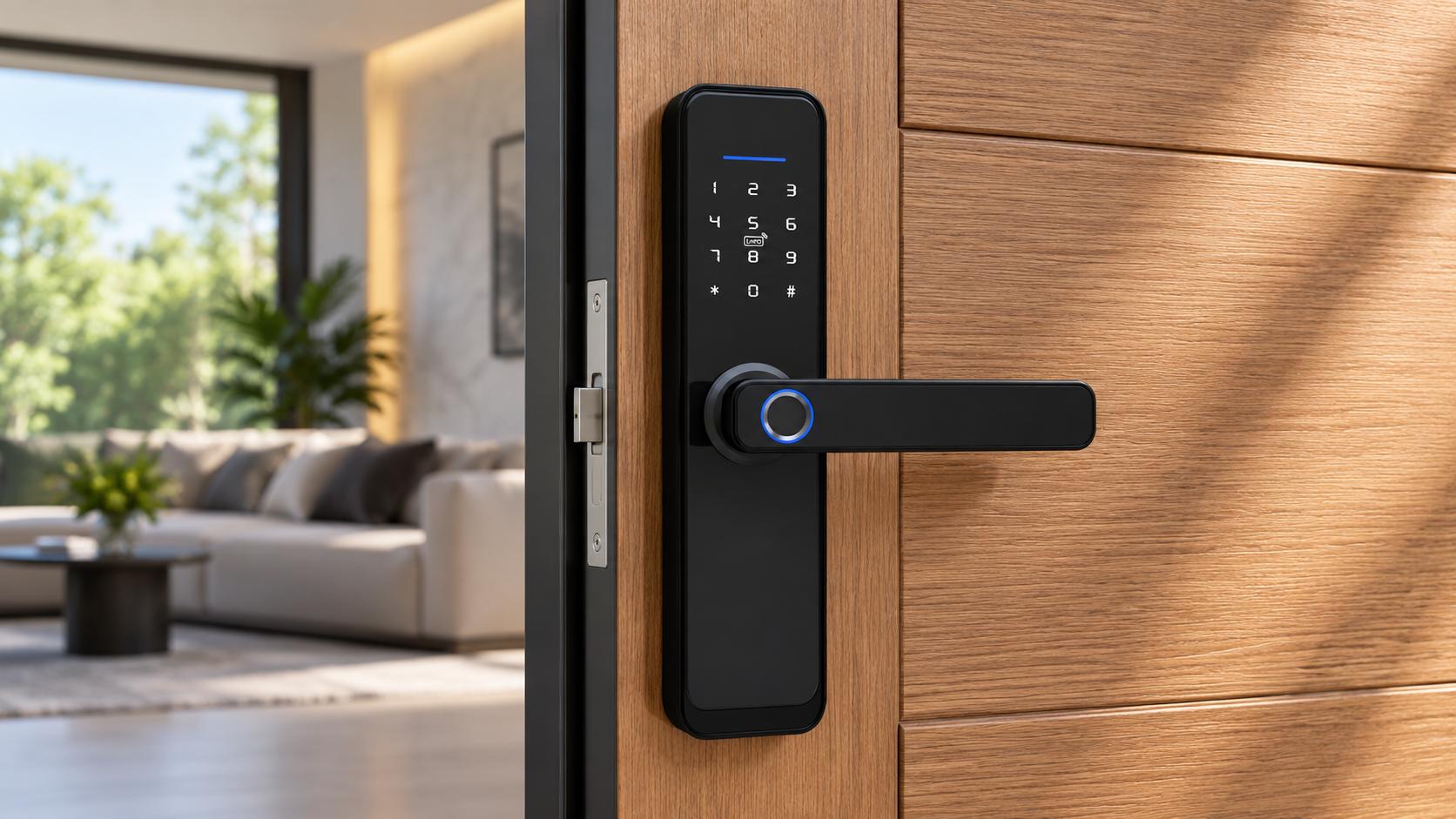
The modern cylinder pin-tumbler lock took shape in the nineteenth century, building on much older pin-based lock principles that date back thousands of years. Carrying brass blades in a pocket is a tactile ritual, but it introduces a real security tradeoff. Physical keys get lost, duplicated without authorization, and offer little accountability regarding who crossed the threshold or when. A keyless entry door lock replaces routine key-and-cylinder operation with electronic entry methods such as fingerprint, passcode, card, and app control, while some models, including the SUM-206 featured in this guide, still retain a physical key as a mechanical backup. This transition shifts day-to-day perimeter management from a single metal blade toward a set of electronic credentials that can be issued, tracked, and revoked.
Understanding Keyless Entry Door Locks: The Shift from Mechanical Tumblers to Digital Credentialing
Mechanical locks rely on the precise spatial alignment of spring-loaded brass driver and key pins along a shear line. While conceptually elegant, this purely mechanical arrangement carries known structural vulnerabilities. Some pin-tumbler locks can be vulnerable to picking or bumping, depending on their internal design, pin configuration, and any added security features such as anti-pick pins or sidebar mechanisms. The ease or difficulty of bypassing a given cylinder varies significantly by manufacturer and model, so it is inaccurate to treat all mechanical locks as equally exposed. Rekeying a conventional cylinder after a lost key requires disassembling the core or calling a locksmith, creating ongoing maintenance costs for residential landlords and commercial property managers alike.
The Operational Vulnerabilities of Traditional Pin-Tumbler Hardware
Physical keys lack identity binding. A brass blank does not distinguish between a homeowner, an authorized service technician, or an intruder holding a copy, and this absence of identity tracking is one of the clearest arguments in favor of electronic access control. When a physical master key is misplaced in an apartment complex or boutique hotel, the cylinders affected by that key hierarchy may need to be rekeyed or selectively replaced, depending on how the master key system was designed and how much risk the property owner is willing to accept.
Beyond unauthorized duplication, mechanical locks lack historical logging of any kind. If an entry point is compromised, traditional hardware leaves no chronological record of the event, no indication of which key was used, and no timestamp for review. Property owners are forced to guess whether an intrusion was an unauthorized duplicate key entry, an unlocked latch left open by mistake, or forced physical entry, and that uncertainty complicates both insurance claims and tenant disputes.
The Architectural Anatomy of Modern Electronic Keyless Systems
A modern keyless entry door lock generally replaces the standalone mechanical cylinder with an electronic credential reader paired with a motorized or clutch-based latch mechanism, though the exact internal layout varies by manufacturer and model. The supplied specifications for the SUM-206 do not detail its internal motor or clutch design, so this guide describes the general category rather than the specific mechanism inside that model.
In broad terms, when a user presents an authorized credential, such as a fingerprint, passcode, or card, the lock's internal electronics check the input against stored access records before granting entry. Depending on the specific design, the lock may then retract the bolt electronically on its own, or it may simply disengage an internal clutch so that turning the handle or lever retracts the bolt manually. Either approach accomplishes the same goal of keyless entry, but the exact mechanism varies by model and is not detailed in the supplied specifications for the SUM-206. For the SUM-206 specifically, the confirmed unlocking methods are fingerprint, password, M1 card, physical key, and app control, as listed in the manufacturer's specifications.
Multi-Modal Authentication: How Digital Verification Protects the Entry Point
Not all digital inputs deliver identical levels of day-to-day convenience or operational security, and a dependable system should provide multiple access options so administrators and residents can choose the most practical verification method for a given scenario. A household might lean on fingerprint entry for daily use, while a one-time passcode makes more sense for a visiting contractor who only needs access for an afternoon. The SUM-206 is specified to support five such methods, which gives a property owner room to match the access method to the person using it rather than forcing everyone through the same routine.
Capacitive Semiconductor Fingerprint Scanning: What the Technology Does and Does Not Guarantee
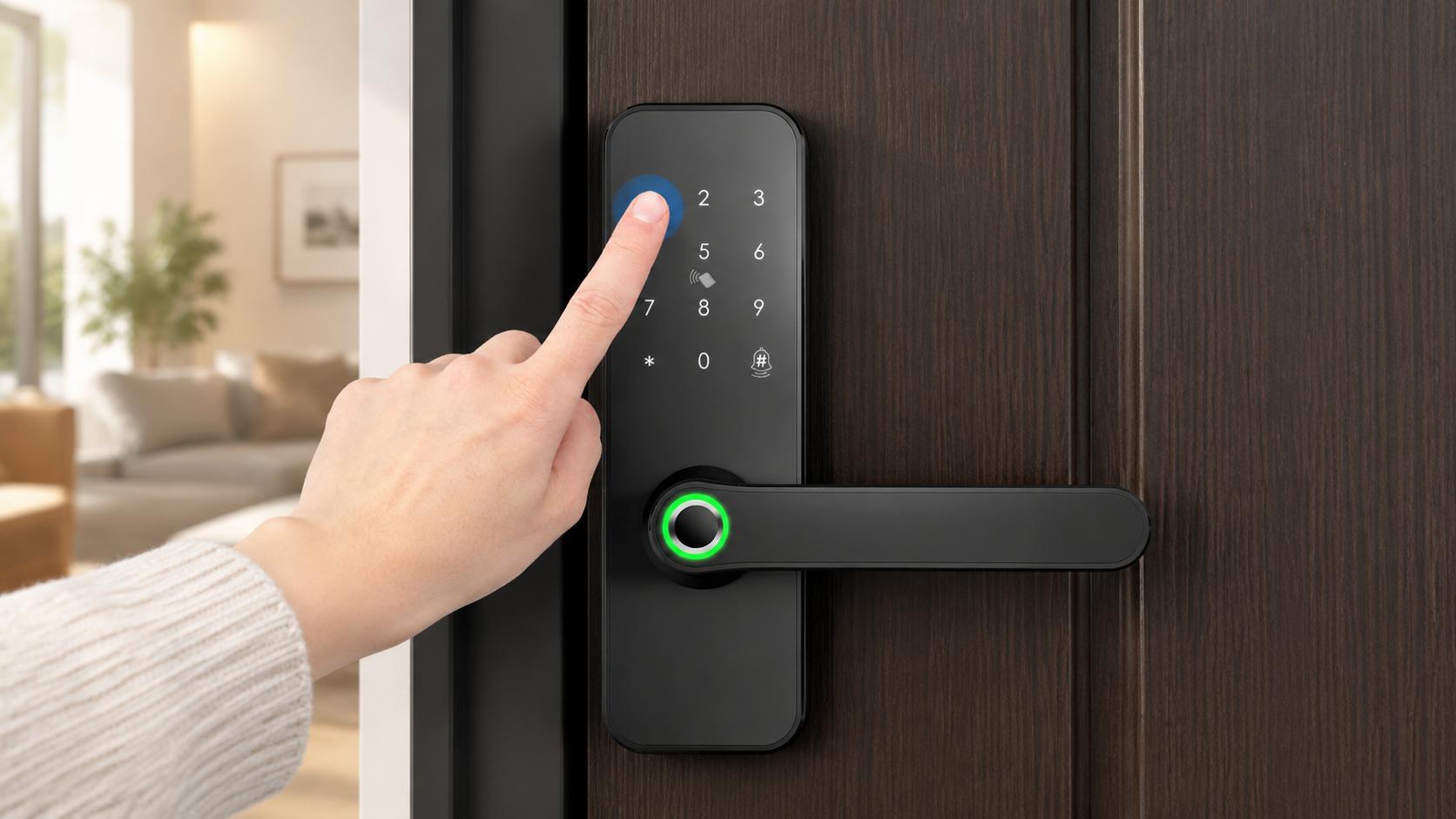
Optical and capacitive fingerprint sensors rely on different sensing methods. Optical sensors capture a surface image of the finger using light and a prism, while capacitive semiconductor scanners use micro-capacitor arrays to measure the electrical charge differential between the dermal ridges and the air gaps in the print valleys. Each approach has its own strengths and limitations, and neither sensing method by itself determines how secure a given lock is against spoofing.
It is worth being precise about what capacitive sensing actually proves. The technology reads ridge and valley patterns through capacitance rather than light, but capacitive sensing on its own does not guarantee that the finger presented is alive, nor does it automatically defeat every fake fingerprint sample. Resistance to spoofing depends on dedicated anti-spoof features and testing, which are separate from the sensing method itself. For the SUM-206, the manufacturer's product specifications describe a capacitive semiconductor scanner with a verification time of less than 1 second and a low false rejection rate; these performance figures are attributed to the manufacturer's own data rather than independent lab testing.
Anti-Peeping Virtual Passcode Logic: How Decoy Digits Thwart Shoulder Surfing
Fixed digital passcodes carry a common exposure point: anyone standing nearby while the code is entered can potentially observe and memorize the sequence. Anti-peeping functionality addresses this by letting the user type extra decoy digits before and after the real passcode, so the genuine sequence is buried inside a longer string of numbers that means nothing on its own.
-
Extended Entry Length: The product specifications confirm support for up to 24 digits in a single virtual passcode entry, well beyond the length of the actual stored password.
-
Decoy Digit Placement: Users can type arbitrary numbers before, after, or around their real passcode within that 24-digit allowance, since the specific validation method the lock uses to isolate the genuine sequence is not detailed in the supplied documentation.
-
Practical Effect: Because the total entry is long and includes meaningless digits, someone watching over a shoulder has a harder time identifying which numbers actually matter, even without knowing the exact mechanism the lock uses to parse the input.
RFID Cards and Mobile App Connectivity
Contactless M1 cards provide a simple and familiar access option for children, elderly family members, or hospitality guests who may not want to manage a smartphone app or memorize a passcode. The supplied product data confirms M1-card compatibility as one of the SUM-206's five unlocking methods, without detailing the card's internal security configuration, operating frequency, or encryption scheme, so no claim about those specifics is made here.
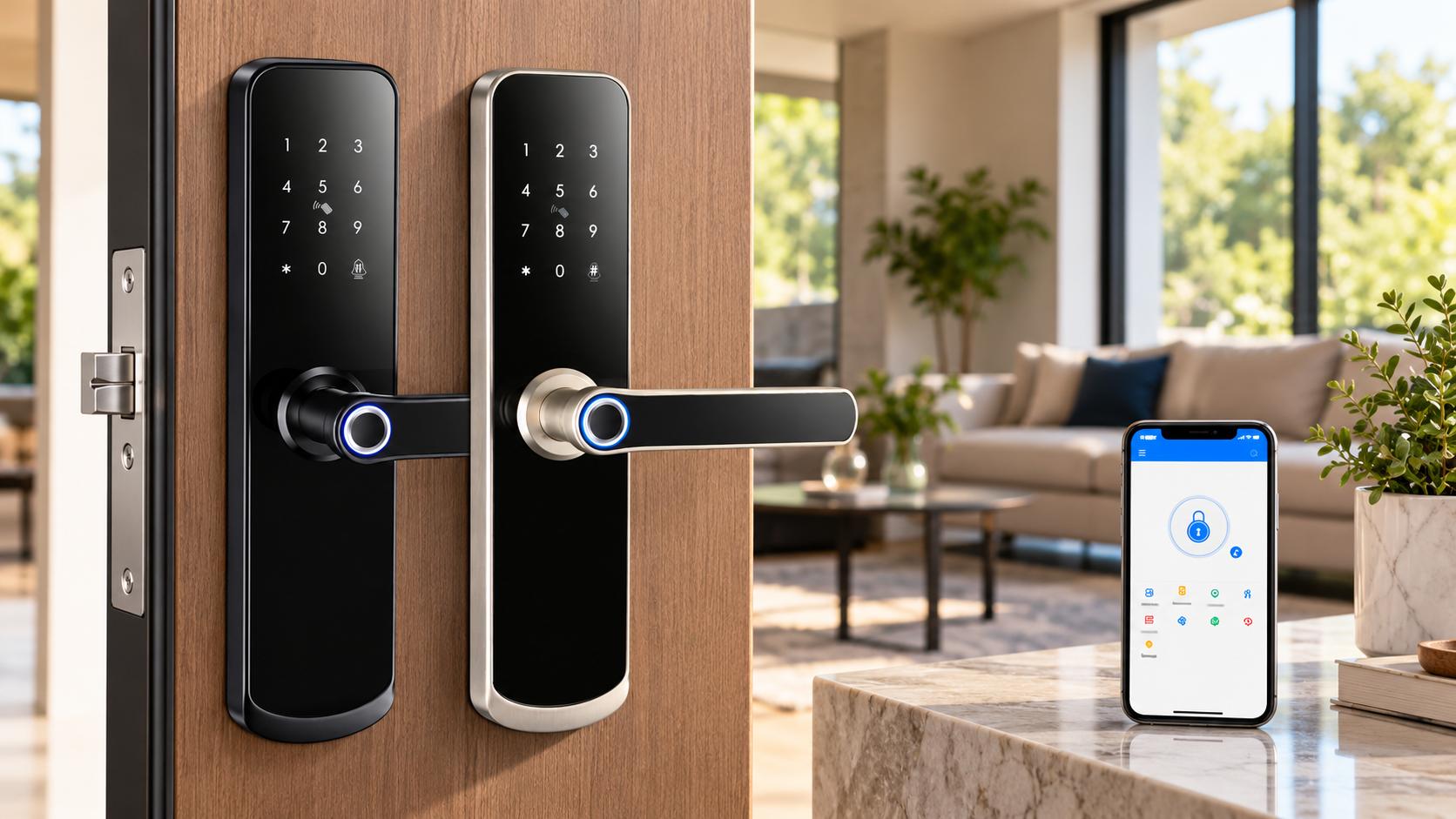
For smartphone integration, the manufacturer's specifications describe connectivity via Bluetooth and Wi-Fi, paired with the TTlock app. Through that app, administrators can issue electronic keys, track records, and configure the system, with remote management available once a network connection, such as a paired Wi-Fi gateway, is in place.
Mechanical Integrity and Material Choice: Beyond the Electronics
Sophisticated electronics cannot compensate for compromised mechanical construction. If an exterior escutcheon plate fractures under impact, the electronic system inside loses its protective housing regardless of how well the firmware performs, which is why the physical shell deserves as much attention as the sensor specifications during selection. Evaluating structural housing materials is just as relevant to overall security as reviewing circuit specifications, even though it tends to get less attention in marketing copy.
Structural Strength: Aluminum Alloy Construction
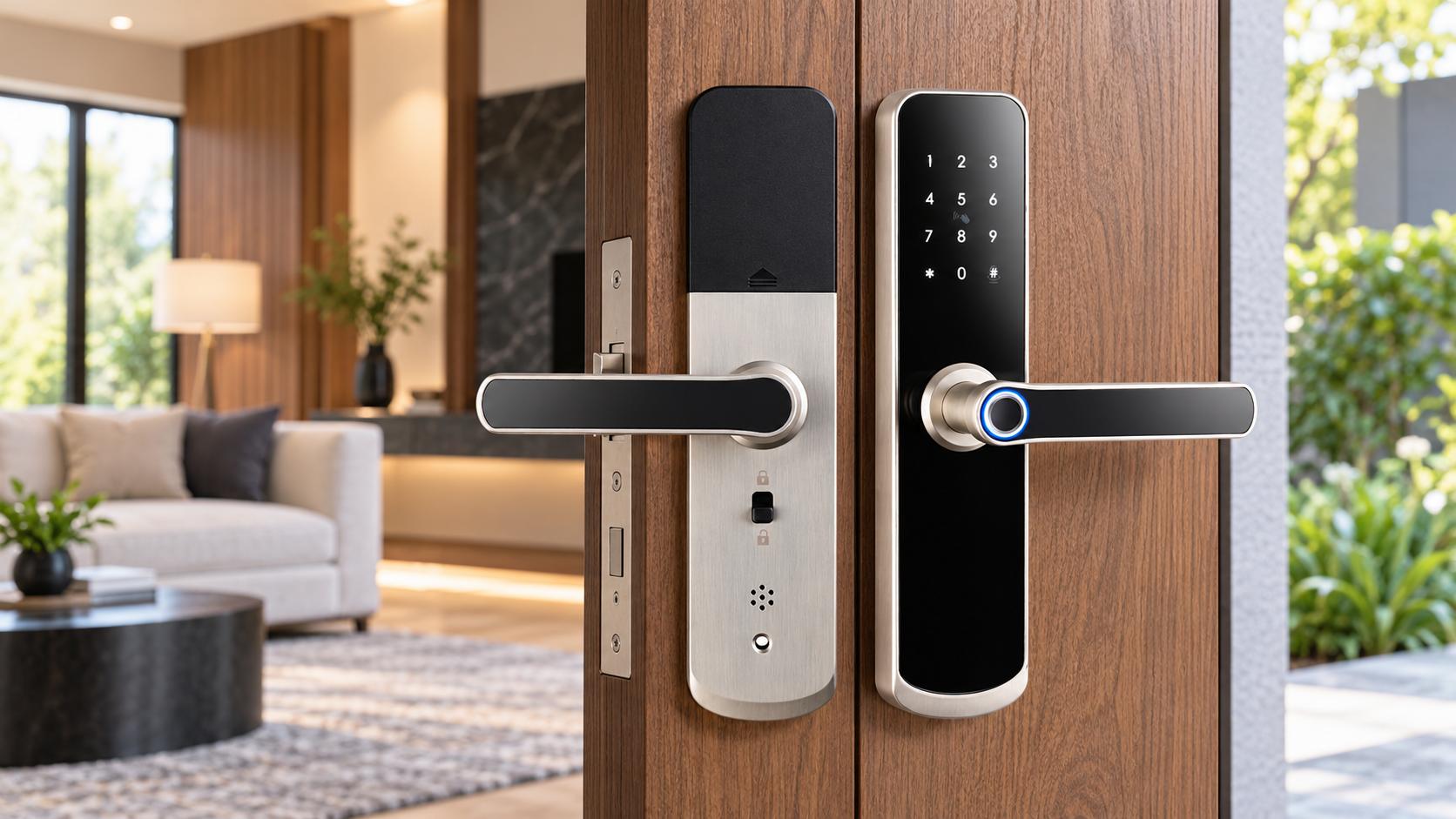
The SUM-206 is specified by the manufacturer as built from aluminum alloy. This guide does not compare that material against zinc die-cast housings used in other locks, since no lock-specific test data supports a comparative strength, thermal, or electromagnetic-shielding claim for this product line. Durability in practice depends on the specific alloy grade, wall thickness, and finish applied during manufacturing, none of which are detailed in the supplied specifications beyond the base material itself.
When evaluating housing material on any lock, it is reasonable to ask the supplier for the alloy grade and any relevant surface finish, such as anodizing, rather than relying on the material name alone as a proxy for durability. A buyer comparing two aluminum-alloy locks side by side may still find meaningful differences in wall thickness or coating quality, so the base material is only a starting point for that evaluation, not the full picture.
Door Thickness and Alignment Standards: Ensuring Compatibility Across 35mm to 60mm Doors
A recurring issue during smart lock retrofits is latch binding caused by incompatible door thickness or spindle misalignment. Architectural interior and exterior doors commonly range from 35 mm to 60 mm, roughly 1-3/8 inches to 2-3/8 inches, in depth, and the SUM-206 is specified by the manufacturer to fit within that same 35-60 mm range on both wooden and metal doors.
Beyond the thickness range itself, the supplied product information does not detail a specific drilling or routing procedure for this model, so installers should confirm the exact bore pattern, backset, and preparation steps against the installation template that ships with the unit rather than assuming a generic retrofit process applies.
Environmental Operating Range: Temperature and Humidity Specifications
Exterior residential and commercial doors face environmental exposure that varies by region and season, from temperature swings to humidity shifts indoors and out. According to the manufacturer's specifications, the SUM-206 is rated to operate across a temperature range of -25°C to 60°C and a humidity range of 15% to 95%.
These figures describe the manufacturer's stated operating range rather than a water-ingress or weather-exposure rating, and the supplied specifications do not include an ingress-protection rating for this model. Anyone planning to install the lock in a location exposed to driving rain or direct weather should confirm a suitable exterior-use or water-resistance rating with the supplier before installation, rather than assuming the temperature and humidity figures alone cover that concern.
Power Management and Backup Access: Eliminating Lockout Anxiety
Lockout anxiety remains a common barrier for buyers transitioning away from physical keys. Prospective users often wonder what happens when the internal power source depletes completely while they are away from home or managing a property remotely. Understanding the power architecture and backup access path removes most of that uncertainty.
Low-Voltage DC Circuitry and Battery Life
A keyless entry door lock typically runs on an independent low-voltage direct current supply rather than being wired into household mains power, which simplifies installation and keeps the lock functional during a power outage. The SUM-206 uses 4 standard AA batteries providing DC 6V, according to the manufacturer's specifications.
According to the manufacturer's specifications, this results in a stated operational battery lifespan of 6 to 12 months under standard daily cycling. The supplied product data does not describe a low-battery warning feature for this model, so that detail is left unstated rather than assumed, and users should establish their own routine for checking or replacing batteries on a schedule that fits the stated lifespan.
Backup Access: The Physical Key Override
For the SUM-206 specifically, the documented backup method for a fully depleted battery is the physical key included with the unit, which operates through a mechanical keyway independent of the electronic components. The supplied product specifications do not describe an external power-bank or 5V jumpstart port for this model, so that feature is not claimed here.
The practical takeaway is straightforward: even after choosing an electronic lock, it remains worth keeping the physical backup key somewhere accessible, such as with a trusted neighbor, a property manager, or a secured lockbox, rather than assuming the batteries will always be replaced in time. This single habit closes the one gap that electronic convenience cannot fully solve on its own.
Scenario Deployment: Matching Keyless Systems to Real-World Properties
Every access point has unique traffic flows and security demands, and no single configuration suits a single-family home, a short-term rental, and a multi-tenant office equally well. Selecting the ideal keyless configuration requires balancing administrative flexibility against the physical access control needs of the specific property type, which is why the following scenarios each call for a slightly different emphasis.
Residential Portfolios: Frictionless Family Access and Guest Codes
For residential properties, keyless hardware removes the traditional hassle of coordinating spare keys for family members, cleaning services, or maintenance staff. Homeowners can program unique passcodes or enroll fingerprints for household members, alongside generating separate numeric codes for visiting guests through the app.
Whether a given guest code can be set to expire automatically depends on the specific app configuration and the features supported by the paired gateway, so this should be confirmed against the TTlock app's current capabilities for the SUM-206 rather than assumed outright. Even without automatic expiry, being able to issue and delete codes remotely still removes a recurring source of friction for households that regularly host guests, contractors, or short-term sitters.
Hospitality and Short-Term Rentals: Remote Authorization and Front-Desk Integration
In vacation rentals and boutique hotels, physical key hand-offs create logistical friction and front-desk staffing overhead, particularly for guests arriving outside normal business hours. Property managers using connected hardware platforms can generate passcodes remotely from a management dashboard instead of meeting each guest in person to exchange a key.
Integrating hardware like the SUM-206 with software systems such as the TTlock app supports app-based management and record tracking, as stated in the product specifications. Whether a particular deployment supports automatic check-in and checkout timed activation depends on the app configuration and gateway setup used at that property, so this scheduling behavior should be confirmed with the specific TTlock setup rather than assumed as a built-in feature of the lock itself.
Light Commercial Offices: Access Hierarchy and Record Tracking
Commercial facilities demand compartmentalized interior security. Shared spaces, executive suites, and technical server rooms generally call for distinct access hierarchies rather than a single all-access master key handed to every employee.
Deploying locks with onboard storage for up to 1,000 records and a stated capacity of up to 250 combined credentials, covering fingerprints, passwords, cards, and remote control entries together, gives office administrators room to issue individual credentials rather than a shared code. The supplied specifications confirm record tracking as a feature of the system, though the exact fields captured in each log entry are not detailed, so administrators should review the app's reporting screen directly to confirm what information is available before relying on it for an audit.
Systematic Selection Checklist: How to Evaluate Your Installation
Before purchasing and deploying keyless hardware, property managers and homeowners should follow a structured evaluation process, since skipping measurement or capacity planning is one of the more common causes of a frustrating installation day.
Pre-Installation Door Geometry and Backset Verification
Begin by measuring door thickness to verify compatibility with the hardware's stated installation range, which for the SUM-206 is 35 mm to 60 mm on both wooden and metal doors. Measure the backset too, the distance from the door edge to the center of the existing bore hole, which is typically 60 mm or 70 mm in standard residential preparations, and compare both measurements against the installation template provided with the specific lock model before ordering.
Inspect the condition of the door frame and strike plate alignment as a separate step. If the door sags or requires inward pressure to latch, realign the hinges and strike box before installing electronic hardware, because mechanical resistance during latch movement causes motor strain and faster battery drain once the lock is in daily use.
Capacity Auditing: Evaluating Credential Quantities and Event Log Buffers
Review the credential and log capacity of the lock based on your property profile and usage requirements:
-
Single-Family Residential: Generally needs a modest credential capacity, primarily utilizing fingerprint entry and a small number of permanent PIN combinations for household members.
-
Boutique Hospitality: Benefits from flexible PIN generation and M1 RFID key card issuance, along with a record buffer that can accommodate frequent guest turnover.
-
Commercial Co-Working and Multi-Tenant Facilities: Demands expanded system capacity, such as support for up to 250 combined credentials and storage for up to 1,000 records, as offered on models like the SUM-206.
Frequently Asked Questions (FAQs)
What happens to a keyless entry door lock if the batteries die completely?
For the SUM-206, if the internal AA batteries deplete entirely, the documented backup method is the physical key that ships with the unit, which operates through a separate mechanical keyway independent of the electronics. It is worth keeping that backup key somewhere accessible rather than assuming the batteries will always be replaced before they run out, since the supplied specifications do not describe an external power-bank jumpstart option for this model.
How does the 24-digit virtual password actually prevent shoulder surfing?
The product specifications confirm support for virtual passcodes of up to 24 digits, which lets you type random decoy numbers before and after your real PIN so the genuine sequence is hidden inside a longer, meaningless string. The supplied documentation does not detail the internal method the lock uses to separate the real code from the decoys, but the practical effect is that an onlooker watching your fingers has a much harder time identifying which digits actually form your password.
Can capacitive semiconductor fingerprint scanners be fooled by fake fingerprints?
Capacitive semiconductor scanners measure electrical charge differences across the ridges and valleys of a finger pressed against the sensor, which is a different sensing method than the light-based approach used by optical scanners. Capacitive sensing by itself does not guarantee that the finger presented is alive, and resistance to sophisticated fake fingerprint samples depends on dedicated anti-spoof features and testing rather than the sensing method alone. The SUM-206's stated verification time and false rejection rate come from the manufacturer's own specifications rather than independent testing.
Can a single keyless entry door lock be retrofitted on both wood and metal frames?
The SUM-206 is specified by the manufacturer for both wooden and metal doors within a 35 mm to 60 mm thickness range. Installers should still confirm the existing bore pattern, backset measurement, and any required door preparation against the installation template supplied with the lock, since exact drilling requirements can vary by door type and existing hardware.
What is the operational difference between local Bluetooth app management and remote Wi-Fi control?
Local Bluetooth management via mobile apps like TTlock connects directly between your phone and the lock hardware, allowing you to manage users and access logs within short wireless range without consuming internet data. Adding a dedicated Wi-Fi gateway connects the lock to your local network instead, enabling remote unlocking from a greater distance, such as checking on a rental property while traveling, though whether notifications or alerts are available depends on the specific gateway model and app settings rather than being a guaranteed feature of every setup.
Conclusion: Balancing Practical Perimeter Management with Modern Access Convenience
Upgrading to a keyless entry door lock trades a single metal key for a set of electronic access methods, fingerprint, passcode, card, and app control among them, while most models, including the SUM-206, still keep a physical key in reserve for backup. Selecting a model specified with an aluminum alloy housing, a capacitive semiconductor fingerprint scanner, and a documented physical-key backup path supports reliable daily use without overstating what any single feature can guarantee on its own. Choosing the right configuration for a home, a rental unit, or a commercial office comes down to matching credential capacity, confirmed environmental specifications, and backup access to how the property is actually used day to day. For us at SUMMAO, that scenario-matching approach reflects fifteen years building smart lock and hospitality automation hardware across more than 5,000 hotel and apartment installations worldwide.
SUBSCRIBE
INQUIRY