
Smart Door Lock Price Guide: Hardware Tiers, Hidden Costs, and Real Value
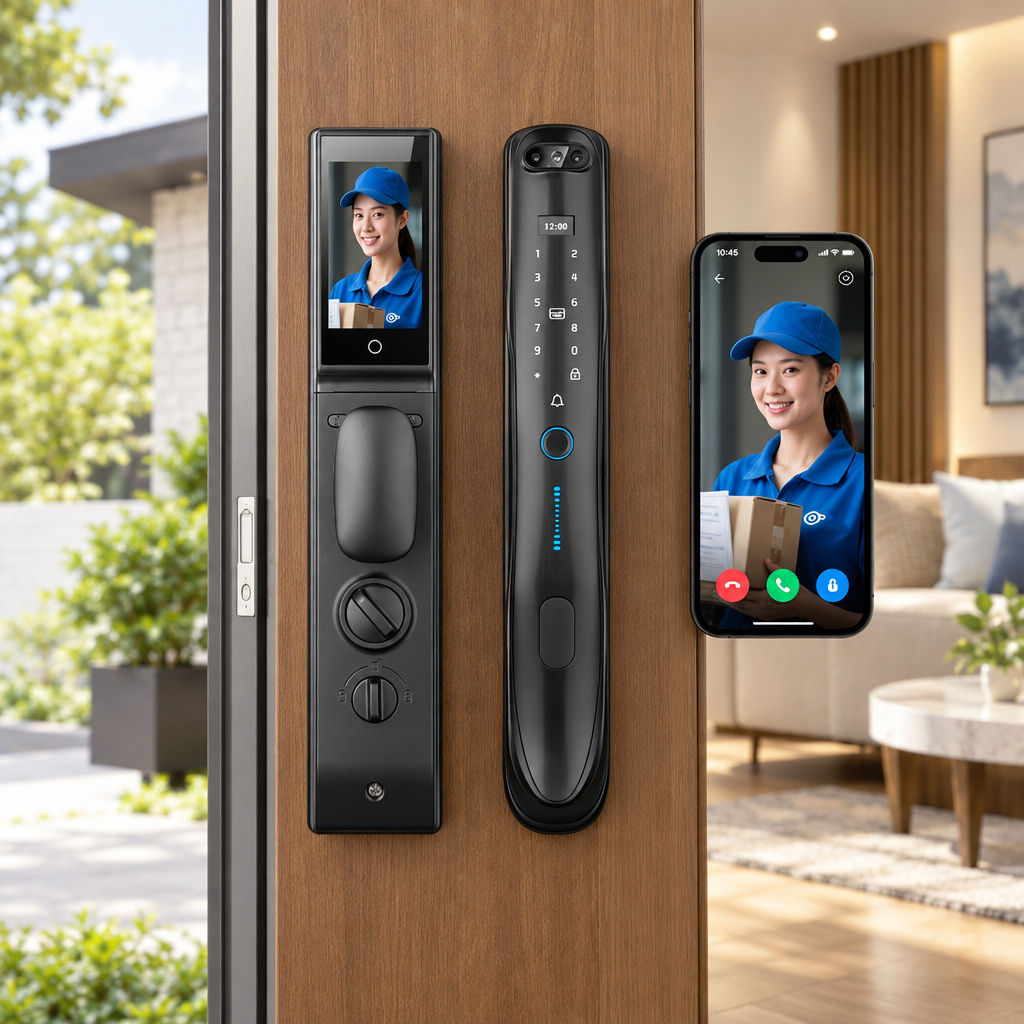
Shopping for electronic access control often feels like pricing two cars that look identical on the lot but differ by thousands of dollars under the hood. When buyers research the average smart door lock price, they quickly encounter a massive spread ranging from $80 retail keypad attachments to $700 commercial-grade biometric units. Evaluating a smart door lock price list or calculating the smart door lock price with installation requires looking past the glossy exterior shell.
The sticker number rarely tells the full financial story. A budget deadbolt might save ninety dollars at checkout yet drain your maintenance budget through frequent alkaline battery replacements, misaligned latches, or paid cloud subscriptions. Understanding how internal metallurgy, biometric sensor architecture, and mortise mechanics dictate cost helps homeowners and property managers invest in hardware that actually protects their doors.
Breaking Down the Smart Door Lock Price by Technology Tier
The market segments electronic locks into three distinct hardware tiers based on mechanical complexity, credential versatility, and onboard processing power. Entry-level models simply turn an existing thumbturn with a small plastic gear, whereas upper-tier assemblies replace the entire mortise body and integrate active visual verification.
| Pricing Tier | Illustrative U.S. Retail Range (as of recent listings) | Primary Unlock Methods | Core Chassis Material | Power Supply Architecture | Ideal Deployment Scenario |
|---|---|---|---|---|---|
| Entry-Level Retrofit | $80 – $180 | PIN Keypad, Basic Bluetooth, Mechanical Key | Varies by model | Varies by model | Interior office doors, low-risk suburban back doors |
| Mid-Range Biometric | $180 – $350 | Fingerprint, PIN, RFID Card, Wi-Fi App | Varies by model | Varies by model | Single-family front doors, short-term rental units |
| Flagship All-in-One | $300 – $700+ | 3D Face Recognition, Video Intercom, Fingerprint, App Control, Card, PIN, Key | Varies by model | Varies by model | Luxury villas, apartments, hotels, commercial offices |
Entry-Level Keypad and Retrofit Locks ($80 – $180)
Entry-level devices sit at the bottom of the smart door lock price spectrum because they rely on minimal mechanical changes. Most units in this bracket are either simple numeric keypads or interior retrofit adapters that slip over an existing single-cylinder deadbolt. They eliminate the need to carry a brass key for daily errands, which solves a basic frustration for joggers or dog walkers.
Keeping manufacturing costs below $180 typically involves trade-offs in materials, motor power, and connectivity features. Specific build quality, wireless security implementation, and motor performance vary by model. Buyers should review the lock's technical documentation to confirm chassis materials, encryption standards, and remote-access capabilities before purchasing. Remote access from your office may require buying a separate plug-in Wi-Fi bridge for an extra $40 to $60 if the lock lacks built-in Wi-Fi.
Mid-Range Biometric and Wi-Fi Deadbolts ($180 – $350)
Stepping into the mid-range tier introduces standalone Wi-Fi connectivity and capacitive fingerprint scanning. Instead of punching in a six-digit code while holding grocery bags in the rain, residents rest a thumb on the handle to retract the bolt in under a second. Property managers favor this bracket because built-in Wi-Fi allows them to issue time-sensitive passcodes to cleaners or guests from a smartphone.
Despite the added convenience, mid-range locks often face power-management challenges. Running a continuous Wi-Fi radio alongside a motorized deadbolt on standard AA batteries creates a constant energy demand. Battery life varies significantly depending on usage patterns, door traffic, and Wi-Fi activity, quietly inflating the long-term operating cost when frequent replacements become necessary.
Flagship 3D Facial Recognition and Video Intercom Systems ($300 – $700+)
At the top of the smart door lock price hierarchy sit fully automatic, integrated security terminals that merge a heavy-duty mortise lock, a security camera, and an intercom into a single chassis. Rather than piecing together a separate video doorbell, a chime box, and a keypad deadbolt, buyers get a unified hardware architecture.
A clear technical benchmark for this category is the S958MAX 3D Face Recognition Camera Smart Door Lock. Built from a 6kg aluminum alloy body, it combines seven unlocking methods: 3D facial recognition, Tuya app remote control, fingerprint scanning, PIN password, RFID card, mechanical key, and real-time video calling. The interior panel houses a dedicated high-definition display screen, while the exterior camera streams live visitor calls directly to the user's smartphone.
Core Engineering Factors That Drive Hardware Pricing
Why does one black electronic handle cost $140 while another commands $550? When you strip away the outer casing, the manufacturing bill of materials is governed by four critical engineering components:
- Biometric Sensor Modality: Fingerprint scanners and 3D facial recognition modules require more sophisticated camera systems and processing capabilities to verify users.
- Mortise and Cylinder Rating: Basic tubular latches use stamped steel parts, while full-body 6068 mortises house larger bolt assemblies paired with higher-rated mechanical cylinders.
- Chassis Metallurgy and Weight: High-end locks may use aluminum alloy or other robust materials, with weights reaching up to 6kg per unit.
- Rechargeable Battery Systems: Replacing AA battery trays with rechargeable lithium-ion packs adds raw material cost upfront but provides higher voltage for video and motor systems.
Biometric Sensor Architecture: 2D Optical vs. 3D Facial Recognition
Early biometric locks relied on green-light optical fingerprint scanners or basic 2D cameras. Those components are inexpensive to source, but they struggle with dry skin, wet fingers, or poor hallway lighting. Simple 2D camera systems can sometimes be fooled by a high-resolution photograph held up to the lens.
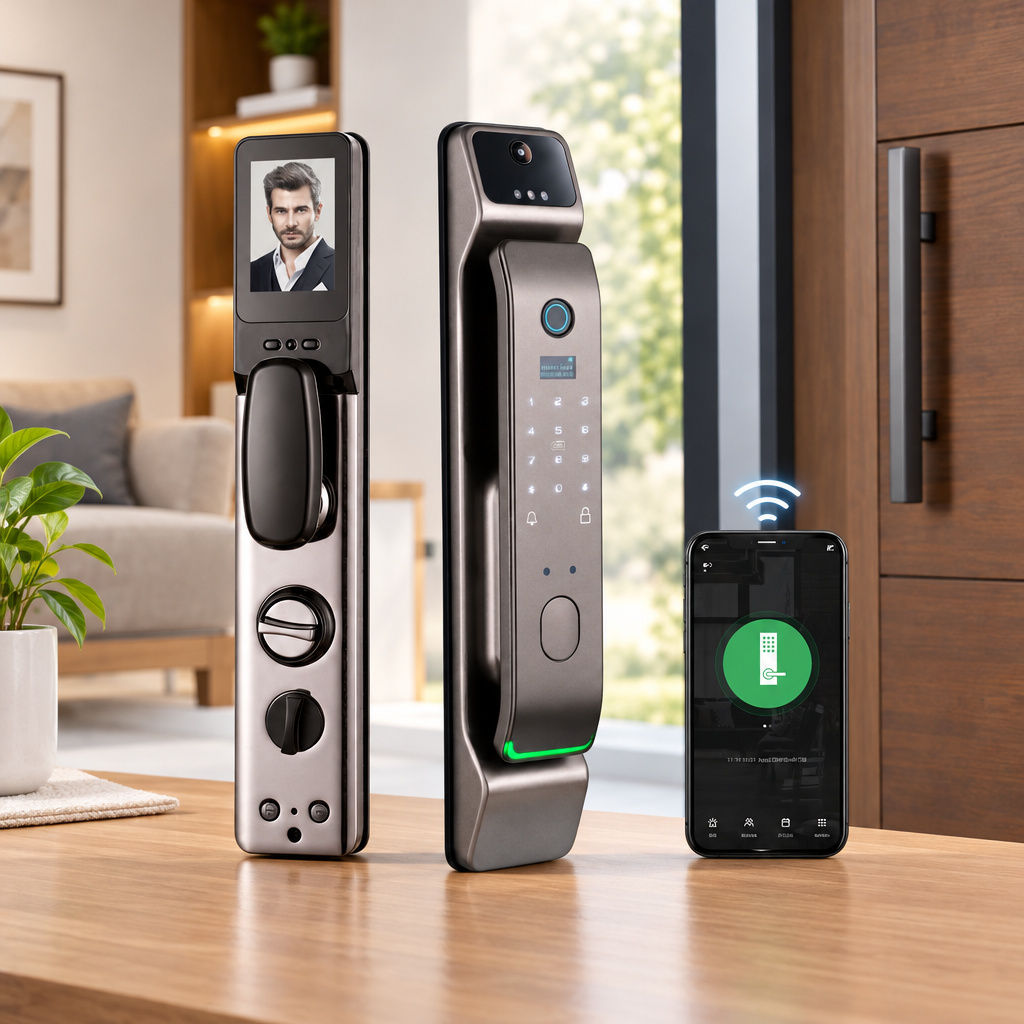
Modern flagship locks justify their higher price tag by deploying 3D facial recognition technology alongside fingerprint sensors embedded directly into the grip handle. The S958MAX features manufacturer-listed 3D face recognition and fingerprint scanning capabilities, enabling walk-up biometric authentication that reduces reliance on physical keys or memorized codes.
Chassis Metallurgy and Mechanical Cylinder Grades
Software encryption means very little if a burglar can snap the lock body off the door with a crowbar. Budget locks often use lighter-weight construction materials, while flagship models allocate more of their manufacturing budget to robust metal chassis components.
The S958MAX is listed as aluminum alloy construction, weighs 6kg per piece, and accommodates a standard 6068×24×240mm mortise across door thicknesses ranging from 40mm to 110mm. The product specifications list a Grade C mechanical lock cylinder, which is the manufacturer's cylinder rating and distinct from ANSI/BHMA grading systems used in North America.
Power Management and Integrated Video Modules
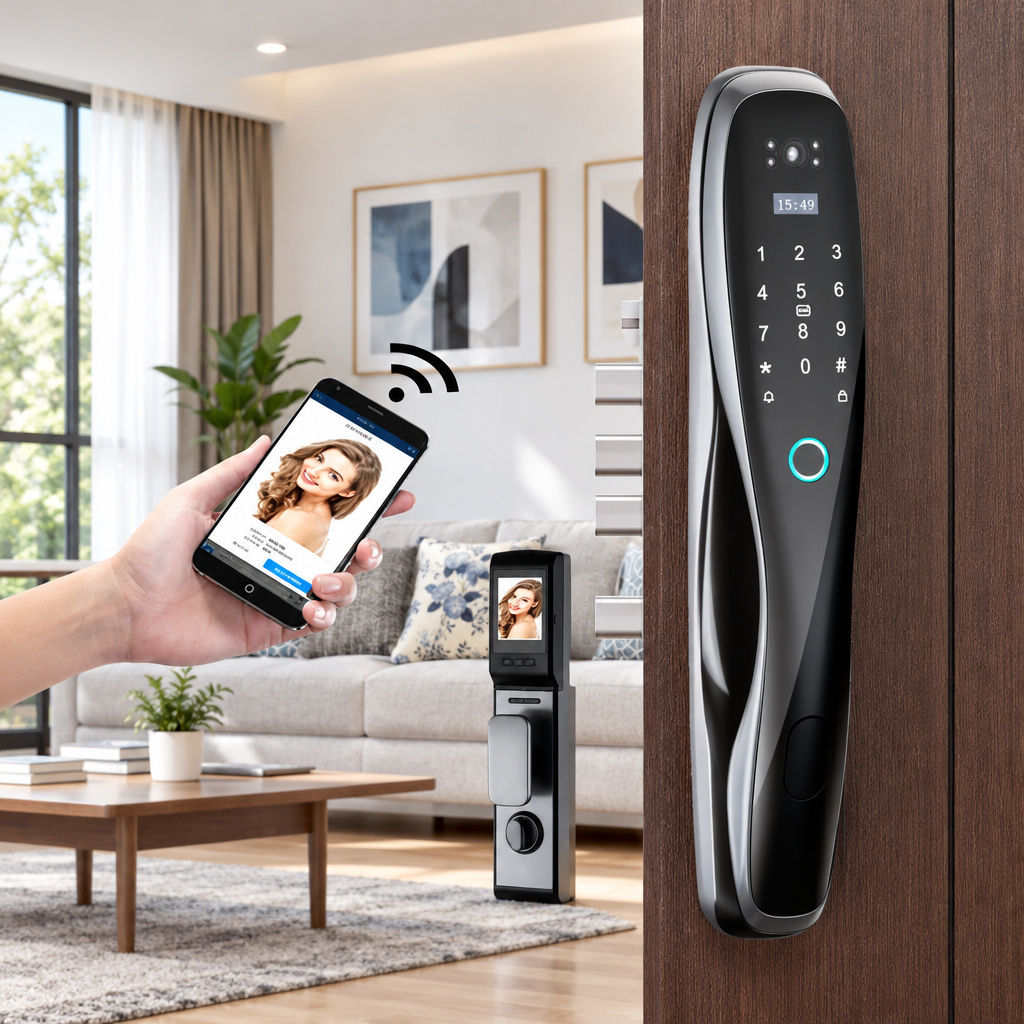
Integrating a live video camera, an indoor LCD monitor, and an automatic mortise motor into one door unit creates serious thermal and electrical demands. Different battery architectures handle these power requirements in different ways.
The S958MAX uses a 7.4V 5000mAh rechargeable lithium-ion battery pack, as listed in the product specifications. This rechargeable system powers the lock's video intercom, fingerprint sensor, facial recognition camera, and motorized locking mechanism. Should a homeowner ignore low-battery alerts while traveling for months, an exterior emergency USB power port allows instant jump-starting with a portable power bank.
Beyond the Sticker: Installation and Lifecycle Expenses
Focusing solely on the retail box price is a classic budgeting trap. In both residential upgrades and commercial retrofits, the true cost of ownership includes carpenter labor, door preparation, software access, and long-term maintenance.
DIY Retrofit vs. Professional Mortise Installation
If you purchase a simple North American deadbolt replacement that fits an existing 2-1/8-inch cross bore, installation takes twenty minutes with a Phillips screwdriver. Your labor cost is effectively zero. Full-body automatic mortise locks may require door modifications if the existing preparation is incompatible with the new lock's dimensions.
Hiring a professional locksmith or finish carpenter to install a smart lock typically costs between $100 and $350 per door in many U.S. markets, though prices vary by location and the complexity of door modifications required. Whether the door is solid hardwood, steel, or aluminum affects both the difficulty and the labor rate. While that upfront labor adds to the initial smart door lock price with installation, proper mortise preparation ensures correct bolt alignment and smooth motor operation.
Cloud Storage, App Ecosystems, and Connectivity Overheads
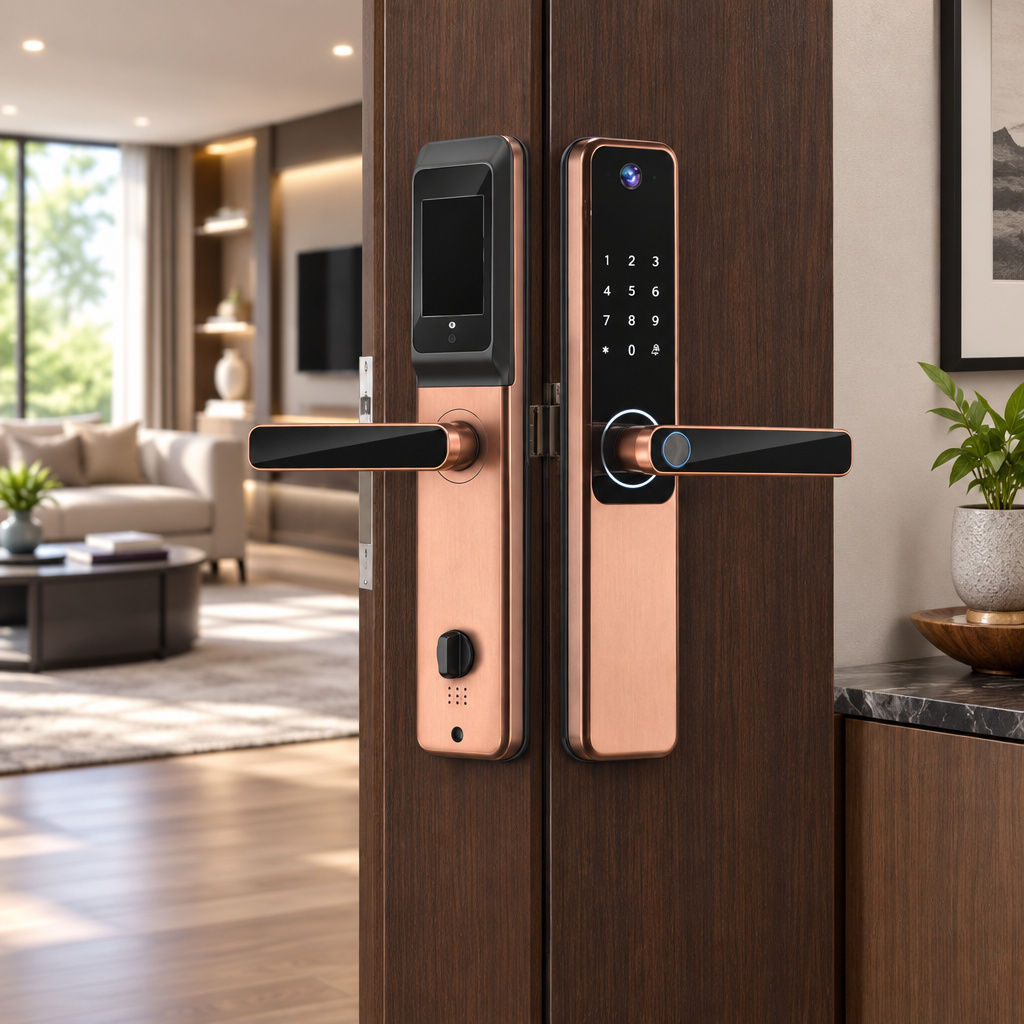
Some smart lock models lock basic features behind cloud subscription fees, typically ranging from $5 to $15 monthly. The features requiring payment and the subscription prices vary by product and platform. Over five years, a $10 monthly fee quietly adds $600 to a lock that originally cost $200. Buyers suddenly realize they are renting their own front door.
Choosing hardware built around mature IoT platforms like the Tuya smart app ecosystem can provide features such as doorbell call pushes, two-way video conversations, temporary visitor passwords, and unlock logs. However, the specific subscription terms for cloud video storage, live intercom, and remote management depend on the lock's service configuration. Buyers should confirm with the manufacturer or retailer whether live calls, stored video history, and unlock logs require a paid subscription plan.
Commercial Bulk Procurement vs. Single-Unit Retail Pricing
For hotel operators, serviced apartment developers, and office facility managers, the project cost includes hardware, commissioning, integration with property management systems, and ongoing maintenance. Buying retail consumer locks for a 100-room property guarantees a logistical nightmare when consumer-grade motors fail under high-traffic use.
Working directly with an established manufacturer changes this equation. With 15 years of experience and a 10,000 m² automated facility, we support over 5,000 hotels and apartments across 50+ countries. The manufacturer reports 36 inspection processes and a failure rate below 1%. Hardware like the CE and RoHS certified S958MAX comes with a 2-year warranty. Factory-direct procurement offers the potential for more favorable unit pricing and coordinated technical support. Buyers planning multi-unit deployments should request a project-specific quotation that accounts for hardware, installation, system integration, and maintenance requirements.
How to Calculate Your True Return on Access Investment
Selecting the right price tier requires matching hardware capabilities to your specific doorway risks. Follow this five-step evaluation process before committing your budget:
- Measure Door Geometry First: Check the door thickness against the specific lock's compatibility range; the S958MAX is listed for 40–110mm doors. Also verify existing backset dimensions to determine whether you need a minor retrofit or mortise modifications.
- Audit Daily Traffic Volume: Count how many credentialed entries occur daily; a family of four needs fast biometric unlocking, whereas a multi-tenant office requires cloud audit trails and RFID card capacities.
- Consolidate Peripheral Hardware: Evaluate whether an all-in-one camera lock with an integrated interior display eliminates the need for separate doorbell and monitor purchases. Compare the combined retail price of standalone components against the integrated lock's price using current quotes for your preferred brands and models.
- Factor in Battery and Key Costs: Compare the expense of purchasing and replacing disposable batteries over the lock's service life against a rechargeable lithium-ion system. Actual battery consumption depends on the specific lock model, daily unlock frequency, and wireless activity; consult the manufacturer's documented battery life and your usage assumptions.
- Verify Compliance and Warranty Coverage: Confirm that the hardware lists recognized conformity marks such as CE and RoHS, which indicate manufacturer claims of regulatory compliance. Separately, review the warranty terms to understand coverage for electronic board failures, motor defects, and other component issues; the warranty, not the conformity marks, defines the manufacturer's repair and replacement obligations.
Residential Villas and Single-Family Entryways
For primary residences and villas, convenience and visual verification carry the highest day-to-day value. Parents carrying toddlers or elders with worn fingerprints often struggle with tiny optical sensors. Investing in the flagship tier solves this friction immediately through walk-up 3D facial recognition.
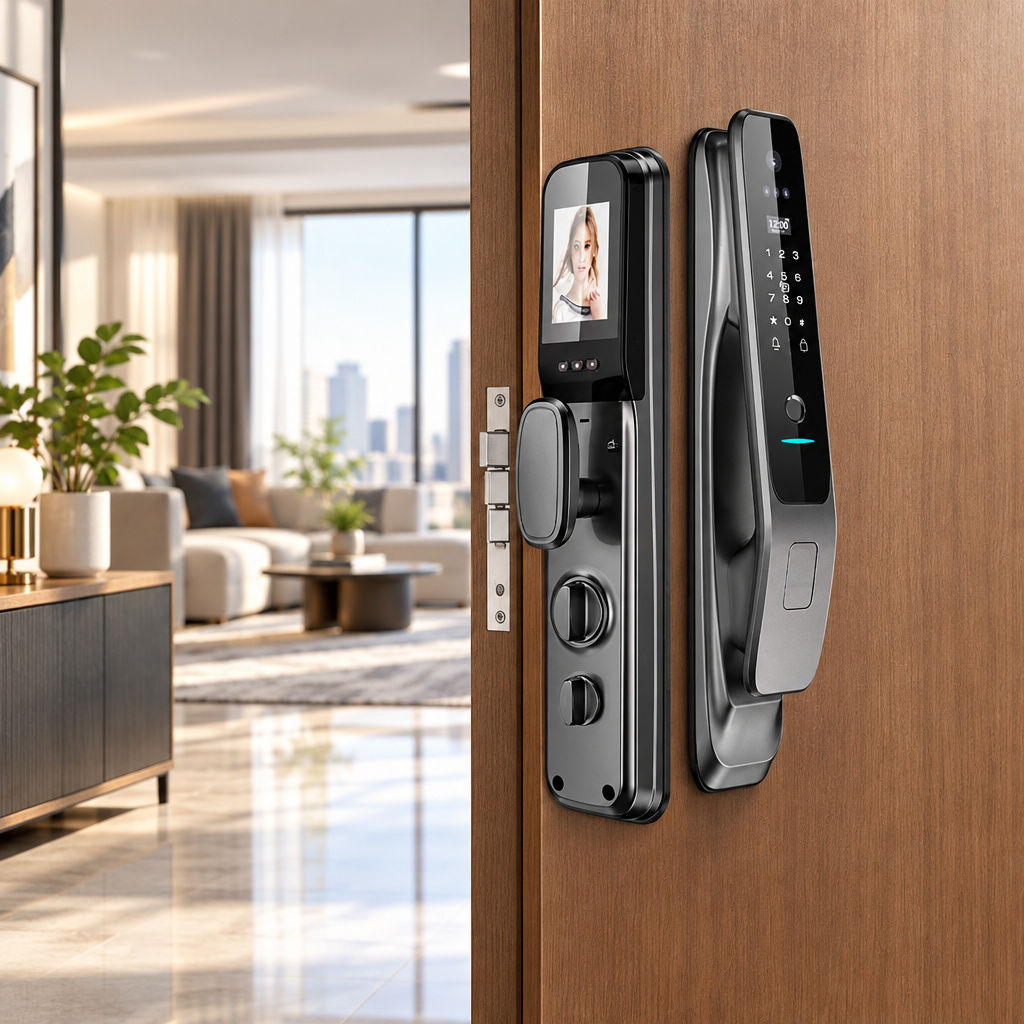
An integrated interior HD screen protects children and elderly family members who do not carry smartphones inside the house. Instead of guessing who is knocking or squinting through a brass peephole, they can glance at the indoor display panel to see a clear wide-angle view of the porch.
Short-Term Rentals and Multi-Family Apartments
In the rental sector, a lock pays for itself by eliminating physical key logistics. Every time a tenant loses a key or a late-night guest gets locked out, dispatching a property manager or locksmith incurs service costs that vary by market and time of day.
By deploying a Wi-Fi-enabled lock managed via the Tuya app, landlords can issue time-bound PIN codes or remote unlock approvals from miles away. The payback depends on comparing the lock's hardware and installation costs against the buyer's actual lockout frequency, locksmith rates, and key-replacement expenses. When a lease ends, access can be revoked through the app rather than swapping brass cylinders.
Hospitality and Commercial Office Access Control
Commercial offices and boutique hotels face brutal mechanical wear and tear. A hotel room door may be opened and slammed thousands of times a year by guests pulling heavy luggage. Lightweight consumer locks may develop loose handles and drifting latches under these conditions.
Specifying an aluminum alloy lock with multi-modal credentials—spanning RFID keycards, PIN codes, biometrics, and cloud management—may provide greater durability. Commercial buyers should compare documented cycle ratings, test results, and warranty terms rather than relying on weight or material descriptions alone. When paired with room control systems or front desk software, commercial buyers transform a standalone security expense into an automated check-in workflow.
Frequently Asked Questions About Smart Door Lock Pricing
Why do 3D face recognition smart locks cost more than fingerprint models?
A 3D facial recognition lock requires more sophisticated camera hardware and processing capabilities to authenticate users through facial biometrics. Combined with a motorized automatic mortise and a high-capacity rechargeable lithium-ion battery, the internal component cost is substantially higher than a simple capacitive fingerprint sensor.
How much should I budget for professional smart lock installation?
Professional locksmith or carpenter installation costs vary by location and installation conditions. In many U.S. markets, labor-only charges generally range from $100 to $350 per door. Simple deadbolt swaps sit at the lower end of that scale, while routing a solid wood or metal door to fit a full-size 6068×24×240mm mortise may require specialized tools and command higher labor rates. Request quotes from local installers for your specific door and lock model.
Do smart door locks require monthly subscription fees to work?
Not all models require ongoing fees, and subscription terms vary by lock and platform. Some models charge monthly fees for cloud video storage and advanced features. Locks operating on the Tuya Wi-Fi ecosystem, such as the S958MAX, offer real-time video intercom calling, temporary password generation, and remote app unlocking; however, buyers should confirm with the manufacturer or retailer whether live calls, stored video history, and unlock logs require a paid subscription plan before purchasing.
Does a higher smart door lock price guarantee better physical security?
Price alone is not a guarantee unless it is backed by verified mechanical specifications. When evaluating a higher-priced unit, check that it actually delivers a heavy-duty aluminum alloy chassis, a higher-rated lock cylinder, a robust mortise assembly, and recognized conformity marks such as CE and RoHS. Review the warranty terms separately to understand coverage for component failures. Avoid paying solely for brand markup without corresponding hardware improvements.
Conclusion: Making a Cost-Effective Security Decision
Evaluating the true smart door lock price means weighing upfront hardware expenditure against years of daily doorway security and operational convenience. While a basic keypad deadbolt lowers initial out-of-pocket costs, an all-in-one biometric system like the S958MAX consolidates a manufacturer-listed Grade C mechanical lock, a 3D facial recognition terminal, fingerprint scanning, and a live Tuya video intercom into a single 6kg aluminum alloy frame. Whether you are comparing a commercial smart door lock price list for a multi-unit apartment project or calculating a residential smart door lock price with installation, prioritizing structural construction, verified specifications, and transparent service terms ensures your investment delivers lasting value every time the bolt locks home.
SUBSCRIBE
INQUIRY